
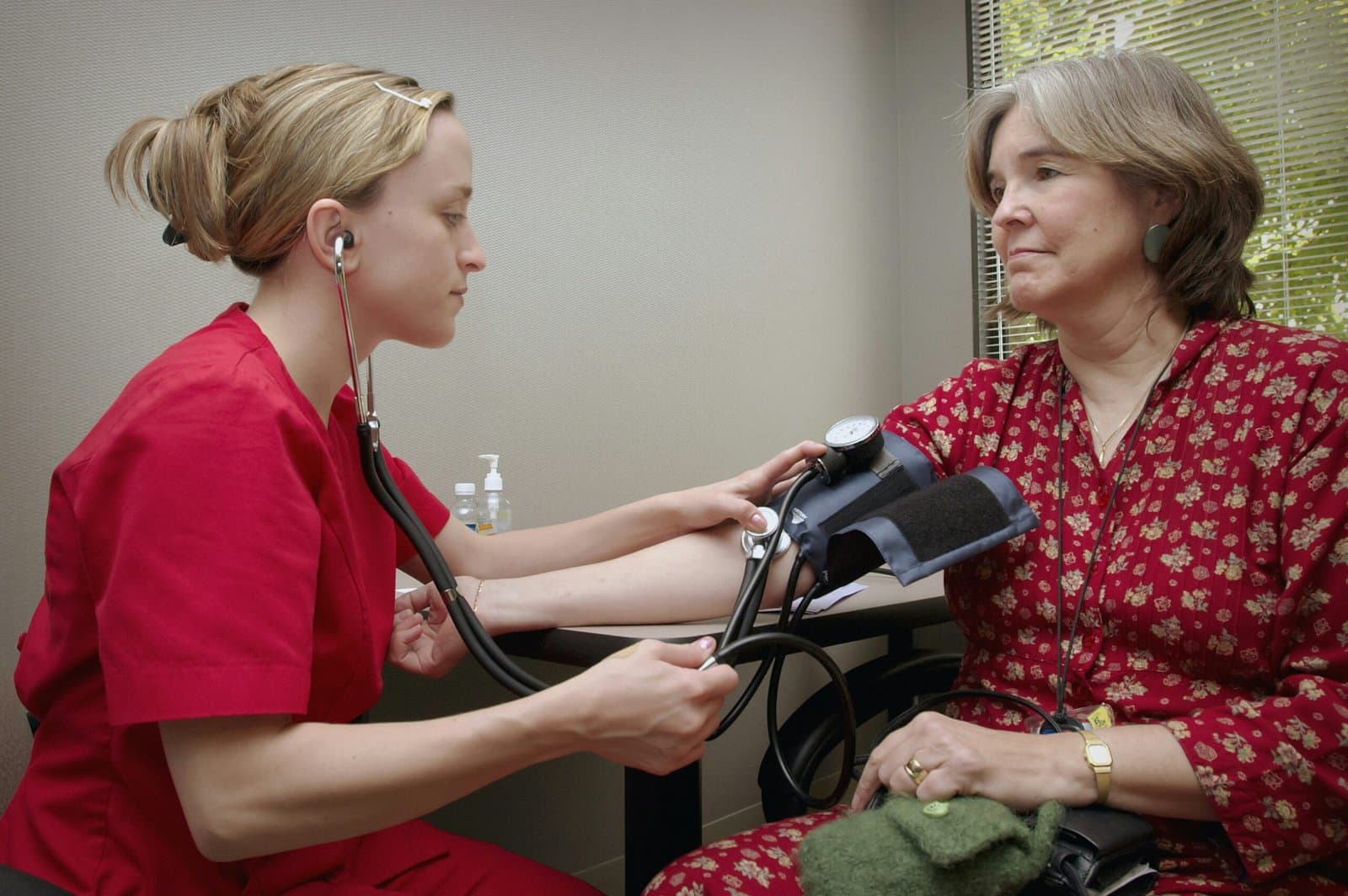
A lot of people only see a doctor when they feel sick or notice symptoms. But some of the most valuable doctor visits happen when you feel fine. Annual checkups help track your health, catch problems early, and prevent serious issues later.
Whether you are generally healthy, rarely see a doctor, or manage a chronic condition, scheduling yearly preventive visits is critical to protecting your long-term health. These appointments let you assess your current health, track changes, and make informed decisions that support your wellness for years.
Why Annual Checkups Matter
Annual checkups are a proactive way to maintain good health. Instead of waiting until symptoms appear, these visits help identify potential risks early, when conditions are often easier to manage or prevent altogether.
Some health issues, such as high blood pressure, high cholesterol, or early-stage diabetes, may develop without obvious symptoms. Without routine monitoring, these conditions can go unnoticed until complications arise.
Regular checkups allow healthcare providers to:
- Monitor overall health trends.
- Identify risk factors early.
- Detect diseases in their early stages.
- Provide preventive guidance
- Adjust treatment plans for chronic conditions.
For many patients, annual checkups act as the foundation for long-term preventive care.
What Happens During an Annual Checkup?
An annual checkup is more than a basic physical exam. It is a comprehensive evaluation that includes reviewing your medical history, assessing lifestyle habits, and identifying potential health risks.
During a typical annual visit, a provider may:
- Measure vital signs, including blood pressure, heart rate, and temperature.
- Review personal and family medical history.
- Evaluate weight and body mass index (BMI)
- Discuss diet, exercise, sleep habits, and stress levels.
- Review medications or supplements.
- Assess mental and emotional well-being.
These conversations provide valuable insight into your health and help create a personalized plan for maintaining wellness.
Preventive Screenings That Protect Your Health
Preventive screenings are a key part of annual checkups. They help identify health conditions before symptoms develop, improving treatment outcomes and reducing long-term risks.
Common preventive screenings may include:
- Blood pressure checks to detect hypertension.
- Cholesterol tests to evaluate heart disease risk
- Blood glucose testing to screen for diabetes
- Cancer screenings depend on age and risk factors.
- Mental health screenings for anxiety or depression
By identifying potential health issues early, preventive screenings allow providers to recommend lifestyle changes, monitoring strategies, or treatments before complications arise.
Vaccinations and Immunization Updates
Another important part of annual checkups is reviewing your vaccination status. Vaccines protect against serious diseases and play a key role in preventive healthcare.
Your provider may recommend immunizations for conditions such as:
- Influenza
- Tetanus
- COVID-19
- Pneumonia
- Shingles
Staying current on recommended vaccines not only protects your health but also helps reduce the spread of infectious diseases in the community.
Lifestyle Counseling for Long-Term Wellness
Annual checkups also provide an opportunity to discuss lifestyle habits that influence health. Small changes in daily routines can reduce the risk of chronic illness.
During your visit, your provider may discuss:
- Nutrition and balanced eating habits
- Physical activity levels
- Stress management techniques
- Sleep quality
- Smoking or alcohol use
These conversations allow healthcare professionals to provide guidance tailored to your individual goals and health history.
Annual Checkups and Chronic Disease Prevention
Many chronic diseases develop gradually over time. Conditions such as heart disease, diabetes, and high blood pressure often begin with subtle changes that may not cause noticeable symptoms.
Annual checkups help detect early warning signs and monitor risk factors before they progress into more serious health concerns.
For example:
- Elevated blood pressure may signal increased cardiovascular risk.
- Rising blood sugar levels may indicate early diabetes.
- Changes in cholesterol levels may affect heart health.
Addressing these issues early can prevent complications and help patients maintain better long-term health.
Managing Existing Chronic Conditions
For individuals already living with chronic conditiFor individuals living with chronic conditions, annual checkups are especially important. These visits help ensure treatment plans remain effective and medications continue to support health goals. Hypertension, asthma, or heart disease benefit from regular monitoring and ongoing support.
During annual visits, providers can:
- Review treatment progress
- Adjust medications if needed.
- Monitor lab results
- Address new symptoms
- Provide lifestyle recommendations
Consistent care helps prevent complications and keeps chronic conditions under control.
How Telehealth Supports Preventive Care
While many elements of an annual physical require an in-person visit, telehealth can play a valuable role in supporting preventive care throughout the year.
Virtual visits can help with:
- Follow-up discussions after lab results
- Lifestyle counseling
- Mental health check-ins
- Medication reviews
- Chronic condition monitoring
Telehealth allows patients to stay connected with their provider between annual checkups, making preventive care more accessible and convenient.
Why Many People Skip Annual Checkups
Despite their benefits, many adults delay or skip routine preventive visits. Common reasons include:
- Busy schedules
- Feeling healthy and assuming a visit isn’t necessary
- Concerns about cost
- Anxiety about medical appointments
However, avoiding checkups can allow small health issues to grow into more serious problems. Annual checkups are an investment in long-term health that can prevent future complications and reduce healthcare costs.
Building a Long-Term Relationship with Your Provider
Another benefit of annual checkups is the opportunity to build a trusted relationship with your primary care provider. When healthcare professionals understand your medical history and health goals, they can offer more personalized and effective care.
This ongoing relationship helps ensure:
- Consistent monitoring of your health
- Better coordination of care
- More accurate diagnosis when concerns arise
- Tailored recommendations for maintaining wellness
Over time, this partnership becomes a key component of maintaining long-term health.
Get a Checkup Today
Annual checkups are one of the simplest yet most effective ways to protect your long-term health. These visits provide an opportunity to monitor your well-being, detect potential health concerns early, and receive personalized guidance that supports a healthier lifestyle.
By prioritizing preventive care and staying connected with a primary care provider, individuals can reduce health risks, manage chronic conditions more effectively, and maintain better overall wellness throughout life.
For individuals seeking preventive care, routine exams, and ongoing health support, C & C Health Care Services offers primary care and telehealth options designed to make staying healthy simple and accessible.
Recent Posts

What to Expect from Your First Mental Health Appointment
MARCH 29, 2026

How Telehealth Expands Access to Primary Health Care
MARCH 26, 2026

Virtual Primary Care Services: What Can Be Done Online?
FEBRUARY 28, 2026

Preventive Care Explained: Primary Care Helps You Stay Healthy
JANUARY 27, 2026

Common Mental Health Conditions and How They’re Treated
JANUARY 20, 2026