

Preventive care is one of the most effective ways to protect long-term health, yet it is often overlooked until symptoms appear. Many people only seek medical care when they feel sick, but primary care plays a critical role in helping individuals stay healthy before problems develop. Preventive care in primary care focuses on early detection, routine monitoring, and proactive support that helps patients avoid serious illness and manage risks early.
Understanding how preventive care works, and why primary care is central to it, can empower patients to take control of their health and improve their quality of life over time.
What Is Preventive Care?
Preventive care refers to medical services that aim to prevent illness, detect conditions early, and reduce health risks before symptoms become severe. Rather than reacting to disease, preventive care focuses on maintaining wellness and addressing potential issues early.
Preventive care primary care services may include:
-
Routine checkups and annual wellness visits
-
Blood pressure and cholesterol screenings
-
Diabetes screening
-
Cancer screenings based on age and risk
-
Immunizations
-
Lifestyle counseling
-
Mental health check-ins
-
Medication reviews
These services work together to identify health concerns early, when they are easier, and often less costly, to manage.
Why Primary Care Is the Foundation of Preventive Care
Primary care providers serve as the first point of contact for ongoing healthcare needs. They build long-term relationships with patients, allowing them to understand medical history, lifestyle factors, and risk patterns over time.
This continuity makes primary care uniquely positioned to deliver effective preventive care. Regular visits allow providers to track changes, recognize subtle warning signs, and tailor care plans based on individual needs rather than one-time symptoms.
Routine Checkups and Annual Wellness Visits
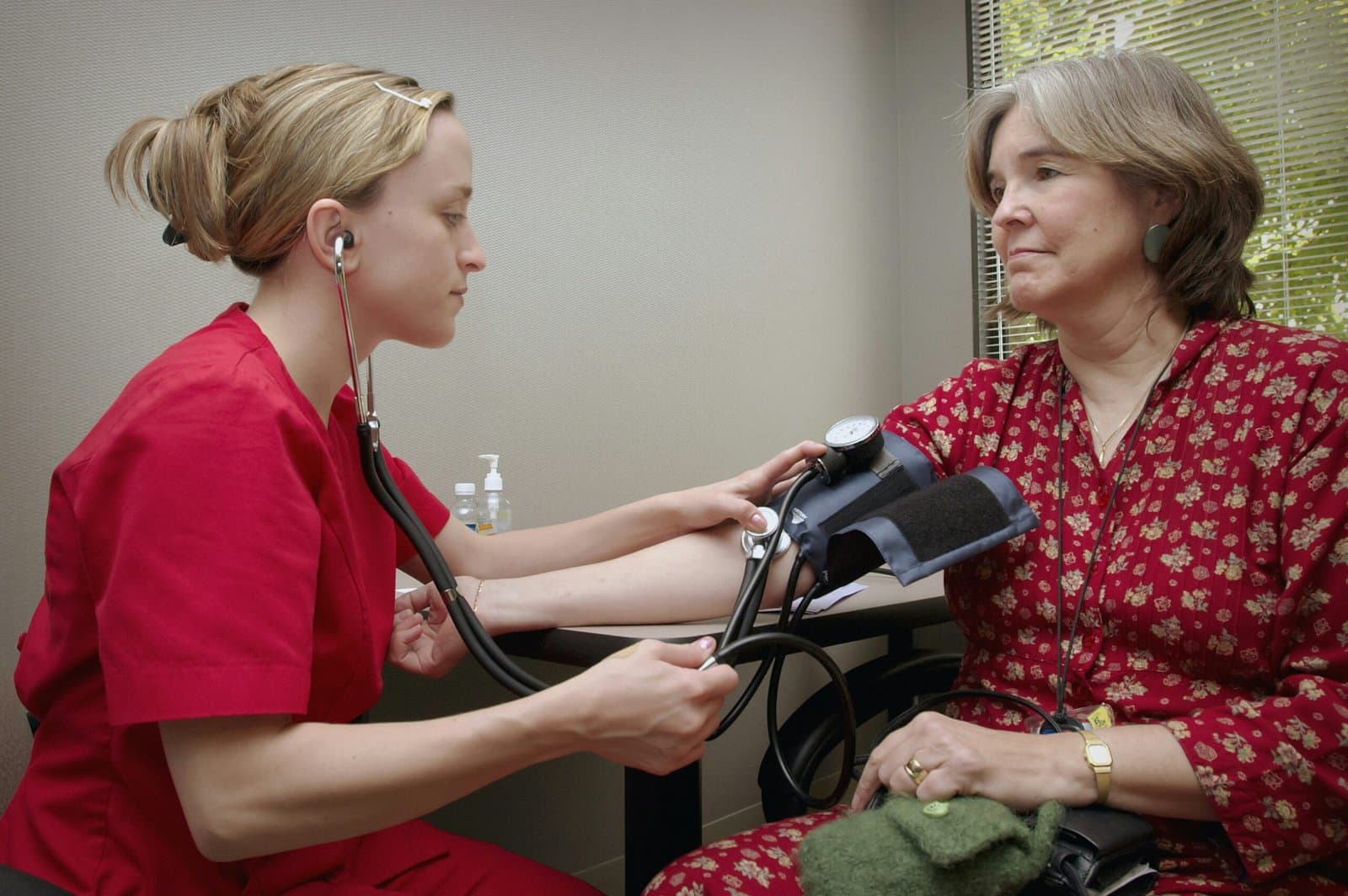
Annual visits are a cornerstone of preventive care primary care. These appointments give providers an opportunity to:
-
Review personal and family medical history
-
Monitor weight, blood pressure, and vital signs
-
Discuss sleep, nutrition, exercise, and stress
-
Identify changes since the last visit
-
Address new concerns before they escalate
Even when patients feel well, these checkups provide valuable insight into overall health and help detect early signs of chronic disease.
Preventive Screenings and Early Detection
Screenings are one of the most powerful tools in preventive care. Primary care providers use evidence-based guidelines to determine which screenings are appropriate based on age, gender, medical history, and risk factors.
Common preventive screenings include:
-
Blood pressure screening for hypertension
-
Cholesterol screening for heart disease risk
-
Blood glucose testing for diabetes
-
Cancer screenings (such as breast, cervical, or colorectal screenings)
-
Osteoporosis screening
-
Mental health screenings for anxiety and depression
Early detection allows conditions to be treated before they progress, improving outcomes and reducing complications.
Vaccinations and Immunization Support
Vaccinations are a key part of preventive care that protect individuals and communities from preventable illnesses. Primary care providers help patients stay up to date on recommended immunizations and explain their importance at every life stage.
Vaccines may include those for:
-
Influenza
-
COVID-19
-
Tetanus
-
Shingles
-
Pneumonia
-
Other age- or risk-specific immunizations
Keeping immunizations current helps prevent serious illness and protects vulnerable populations.
Lifestyle Counseling and Risk Reduction
Preventive care goes beyond tests and screenings, it also includes guidance that supports healthier daily habits. Primary care providers often discuss:
-
Nutrition and weight management
-
Physical activity
-
Sleep habits
-
Stress management
-
Smoking cessation
-
Alcohol use
Small lifestyle changes can significantly reduce the risk of chronic conditions such as heart disease, diabetes, and high blood pressure. Primary care helps patients set realistic goals and make sustainable improvements over time.
Preventive Care and Chronic Disease Prevention
Many chronic conditions develop gradually and show few symptoms in early stages. Preventive care primary care services help identify early warning signs before disease becomes advanced.
Conditions that benefit from preventive monitoring include:
-
Hypertension
-
Type 2 diabetes
-
Heart disease
-
Asthma
-
Mental health conditions
When risk factors are identified early, providers can recommend lifestyle changes, monitoring, or treatment plans that delay or prevent disease progression.
Mental Health as Part of Preventive Care
Mental health is an essential part of overall wellness and preventive care. Primary care providers often screen for anxiety, depression, stress, and other mental health concerns during routine visits.
Early mental health support can:
-
Improve quality of life
-
Reduce physical health complications
-
Strengthen coping skills
-
Prevent worsening symptoms
Integrating mental health into preventive care ensures patients receive comprehensive, whole-person care.
Medication Reviews and Preventive Safety
Medication management is another important preventive service. During routine visits, primary care providers review prescriptions to ensure:
-
Medications are still necessary
-
Dosages remain appropriate
-
Side effects are addressed
-
Interactions are avoided
Regular medication reviews help prevent complications and improve treatment effectiveness.
The Role of Telehealth in Preventive Primary Care
Telehealth has expanded access to preventive care by making it easier for patients to stay connected to their provider. While some screenings require in-person visits, many preventive services can be supported virtually, including:
-
Wellness check-ins
-
Lifestyle counseling
-
Mental health screenings
-
Medication reviews
-
Follow-up discussions after tests or labs
Telehealth helps patients maintain consistent preventive care, especially those with busy schedules, transportation challenges, or mobility limitations.
Why Preventive Care Benefits Everyone
Preventive care primary care services benefit patients at every stage of life. They help individuals:
-
Stay healthier longer
-
Reduce the risk of serious illness
-
Avoid unnecessary hospital visits
-
Lower long-term healthcare costs
-
Feel more informed and in control of their health
Preventive care is not just about avoiding disease—it is about building a strong foundation for lifelong wellness.
Final Thoughts
Preventive care is one of the most valuable aspects of primary care, helping patients stay healthy through early detection, routine monitoring, and personalized guidance. By addressing health risks before symptoms appear, primary care supports better outcomes, improved quality of life, and long-term well-being. Whether through in-person visits or supportive telehealth services, preventive care empowers patients to take an active role in their health.
For individuals seeking preventive care primary care services, wellness visits, and ongoing health support, C & C Health Care Services offers comprehensive primary care designed to help patients stay healthy at every stage of life.
Recent Posts

What to Expect from Your First Mental Health Appointment
MARCH 29, 2026

How Telehealth Expands Access to Primary Health Care
MARCH 26, 2026

Virtual Primary Care Services: What Can Be Done Online?
FEBRUARY 28, 2026
How Annual Checkups Help Protect Your Long-Term Health
FEBRUARY 26, 2026

Common Mental Health Conditions and How They’re Treated
JANUARY 20, 2026